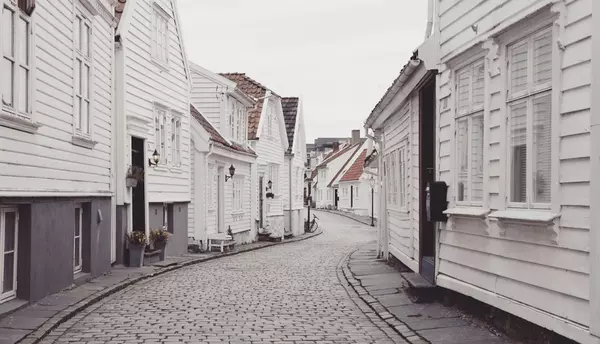
How Walkable Suburbs Are Redefining New Jersey’s Real Estate Market
As homebuyers increasingly prioritize lifestyle and convenience, walkable suburbs are becoming a focal point in New Jersey’s real estate market. Combining the charm and space of suburban living with the accessibility of urban areas, these neighborhoods offer the best of both worlds. Here’s how walkable suburbs are reshaping the NJ housing market in 2024 and why they’re in high demand.
1. What Makes a Suburb Walkable?
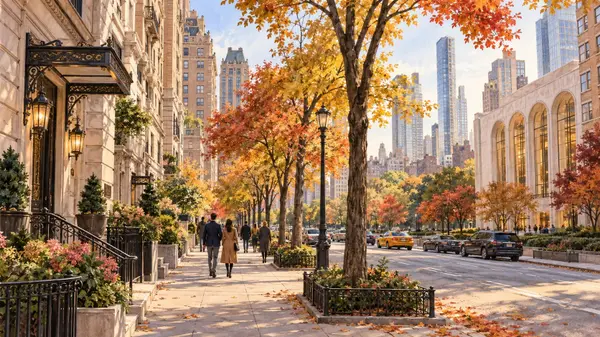
Walkable suburbs are communities where residents can easily access essential amenities on foot. Key features include:
- Proximity to Schools, Shops, and Parks: Everyday needs are within a short walk.
- Pedestrian-Friendly Infrastructure: Wide sidewalks, crosswalks, and bike lanes enhance safety and accessibility.
- Access to Public Transit: Walkable suburbs are often close to train stations or bus stops, reducing the need for a car.
- Vibrant Downtown Areas: Many walkable suburbs feature bustling town centers with restaurants, cafes, and boutiques.
2. Why Walkable Suburbs Are in Demand
Buyers are increasingly drawn to walkable suburbs for several reasons:
- Convenience: Walkable communities make it easier to run errands, commute, and enjoy leisure activities without relying on a car.
- Health and Wellness: Walking-friendly neighborhoods promote an active lifestyle.
- Community Engagement: These areas often foster a stronger sense of community through local events and shared spaces.
- Sustainability: Reducing car usage aligns with eco-conscious values and helps lower carbon footprints.
3. Top Walkable Suburbs in New Jersey
Several New Jersey suburbs stand out for their walkability and livability. Here are a few popular options:
- Montclair: Known for its lively downtown, excellent schools, and cultural attractions.
- Westfield: A family-friendly town with a walkable central business district and great dining options.
- Maplewood: Offers a mix of suburban charm and urban accessibility, with a vibrant downtown.
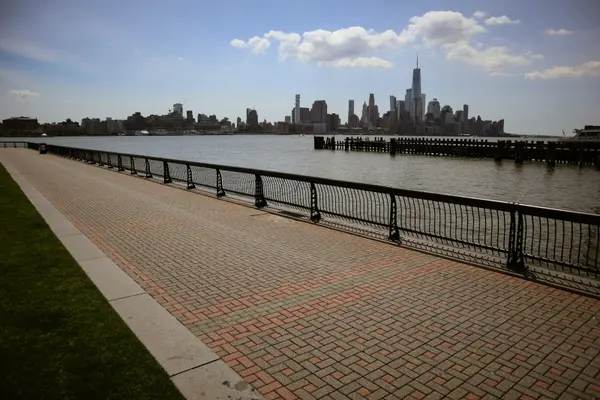
- Hoboken: Although technically a city, Hoboken provides a suburban feel with its walkable streets and proximity to NYC.
- Princeton: Combines historic charm with modern amenities, all within a pedestrian-friendly environment.
4. How Walkability Impacts Property Values
Walkable suburbs often command higher property values due to their desirability. Key benefits include:
- Increased Demand: Buyers are willing to pay a premium for the convenience and lifestyle offered by walkable communities.
- Faster Resales: Homes in these areas tend to sell more quickly than those in car-dependent neighborhoods.
- Steady Appreciation: As more buyers prioritize walkability, these suburbs continue to experience value growth.
5. Challenges for Walkable Suburbs
While walkable suburbs are highly desirable, they also come with some challenges:
- Higher Costs: Homes in these areas often come with a premium price tag.
- Limited Inventory: The popularity of walkable neighborhoods can lead to low inventory and competitive markets.
- Infrastructure Maintenance: Communities must invest in maintaining pedestrian-friendly features like sidewalks and lighting.
6. Opportunities for Buyers, Sellers, and Investors
- For Buyers: Focus on walkable neighborhoods that align with your lifestyle and budget, and be prepared to act quickly in competitive markets.
- For Sellers: Highlight your property’s proximity to amenities and pedestrian-friendly features in your marketing materials.
- For Investors: Walkable suburbs offer strong potential for long-term appreciation and rental demand, making them ideal for investment properties.
Final Thoughts: The Rise of Walkable Suburbs in NJ
Walkable suburbs are redefining what it means to live in New Jersey, offering the perfect blend of convenience, community, and charm. Whether you’re looking to buy, sell, or invest, these neighborhoods provide unique opportunities in today’s real estate market.
If you’re ready to explore walkable suburbs in New Jersey, contact us today to find the perfect property that matches your lifestyle!