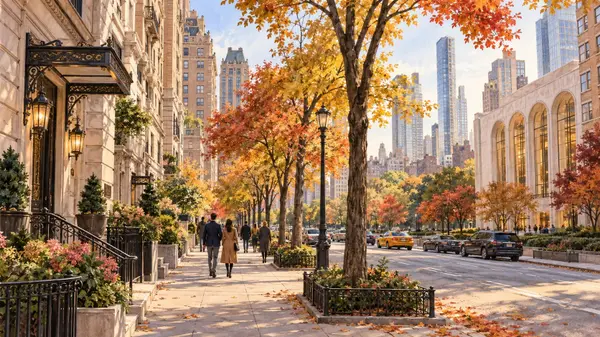
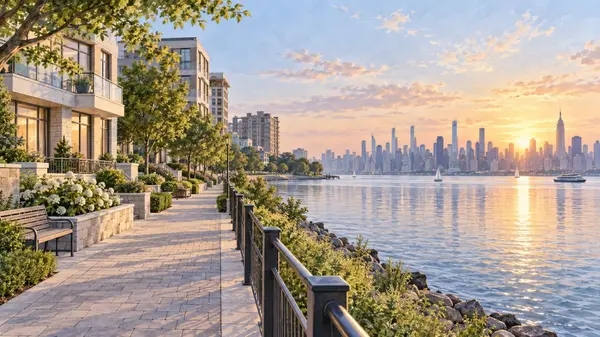
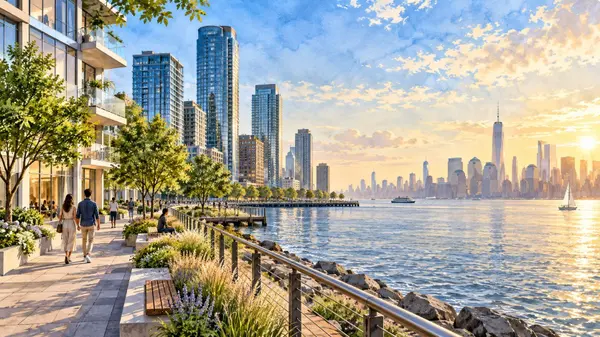
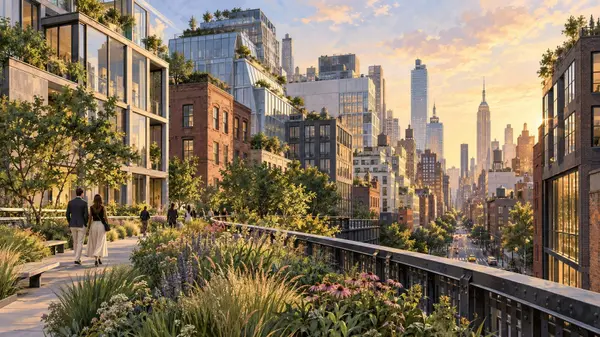
As urbanization continues to evolve, mixed-use developments are becoming a cornerstone of New Jersey’s real estate market. These communities combine residential, commercial, and recreational spaces in one location, creating dynamic neighborhoods where people can live, work, and play. Here’s why mixed-use developments are gaining popularity in New Jersey and how they’re shaping the future of real estate in 2024.
1. What Are Mixed-Use Developments?
Mixed-use developments integrate multiple types of properties within a single project or area, including:
- Residential Spaces: Apartments, condos, or townhomes.
- Commercial Areas: Offices, retail shops, and restaurants.
- Recreational Amenities: Parks, fitness centers, and community spaces.
These developments are designed to create self-sustaining communities that prioritize convenience, walkability, and connectivity.
2. Why Mixed-Use Developments Are Gaining Popularity
Mixed-use developments appeal to a wide range of residents and businesses due to their numerous benefits:
- Convenience: Residents can access essential services, shopping, and dining within walking distance.
- Vibrant Communities: The integration of residential and commercial spaces fosters a lively neighborhood atmosphere.
- Reduced Commutes: Living close to work or transit hubs minimizes commuting time and costs.
- Eco-Friendly Design: Many mixed-use projects prioritize sustainable building practices and green spaces.
This model is especially attractive to millennials, empty nesters, and young professionals seeking urban-style living without the price tag of major cities like NYC.
3. Top Mixed-Use Developments in New Jersey
New Jersey is home to several thriving mixed-use communities, including:
- The Heights at Monmouth (Shrewsbury): Combines luxury apartments with retail shops and dining options.
- The Junction at Gateway (Newark): Features residential units, office spaces, and a variety of restaurants, all within walking distance of Newark Penn Station.
- Wesmont Station (Wood-Ridge): A transit-oriented development offering homes, retail, and direct access to NJ Transit’s train station.
- Metropolitan Lofts (Morristown): Provides upscale apartments with access to nearby shopping, dining, and entertainment.
- City Place (Edgewater): A waterfront development with high-end residences, shopping, and stunning views of Manhattan.
These developments reflect the growing demand for mixed-use living in both urban and suburban settings.
4. How Mixed-Use Developments Impact Property Values
Mixed-use developments have a positive effect on property values for both residential and commercial spaces. Key benefits include:
- Enhanced Demand: Walkable, convenient neighborhoods attract renters and buyers, boosting demand and prices.
- Long-Term Stability: The diverse property mix ensures resilience against market fluctuations.
- Increased Foot Traffic: Retail spaces benefit from consistent customer flow due to on-site residents and nearby visitors.
For investors, these projects offer excellent potential for steady income and appreciation.
5. Challenges of Mixed-Use Developments
While mixed-use developments offer many advantages, they also come with unique challenges:
- Higher Initial Costs: Developing a mixed-use project requires significant investment in planning and construction.
- Complex Zoning Requirements: Coordinating multiple property uses within one project can involve navigating complex zoning laws.
- Community Buy-In: Developers often need to address concerns from local residents about traffic, noise, and infrastructure impact.
Despite these challenges, the long-term benefits make mixed-use developments a worthwhile investment for developers and municipalities.
6. Opportunities for Investors and Developers
Mixed-use developments present lucrative opportunities for those looking to capitalize on this growing trend:
- Transit-Oriented Projects: Properties near train stations or bus hubs are in high demand for mixed-use development.
- Retail and Dining Spaces: Businesses thrive in these communities, creating opportunities for commercial property investments.
- Urban Revitalization: Transforming underutilized areas into vibrant mixed-use neighborhoods generates significant returns.
Collaborating with local governments and leveraging tax incentives can further enhance profitability.
Final Thoughts: Mixed-Use Living in NJ’s Future
Mixed-use developments are more than just a trend—they’re the future of real estate in New Jersey. By creating convenient, connected, and vibrant communities, these projects address the evolving needs of residents and businesses alike. Whether you’re a buyer, renter, or investor, mixed-use developments offer opportunities for growth, convenience, and sustainability.
If you’re interested in exploring mixed-use developments in New Jersey, contact us today to learn more about available opportunities and properties!